Eco-Friendly, Low-Odor Pest Control for Commercial Spaces in Denver
In Commercial Pest Management Denver, a growing trend favors eco-friendly alternatives to chemical p.......
Read more →
In the dynamic landscape of urban environments, commercial pest management stands as a critical aspect of maintaining healthy and productive spaces. Denver, a vibrant metropolis in Colorado, USA, is no exception, with its unique ecosystem requiring tailored strategies for effective pest control. This article delves into the intricacies of Commercial Pest Management Denver, exploring its definition, global implications, economic significance, technological innovations, regulatory framework, challenges, case studies, and future prospects. By the end, readers will gain a comprehensive understanding of this vital industry and its role in shaping urban environments.
Definition: Commercial Pest Management Denver refers to the professional services provided to maintain or control pests (such as insects, rodents, birds, and other animals) in commercial settings like offices, retail stores, food establishments, warehouses, and industrial facilities. This specialized service aims to create and sustain an environment that is safe, healthy, and free from pest-related damages.
Core Components:
Pest Identification: Accurately identifying the types of pests present is the first step. Different pests require distinct control methods. For instance, treating for rodents differs significantly from managing termites or ants.
Risk Assessment: Evaluating potential health risks and property damage caused by pests is crucial. This assessment guides the development of tailored management strategies.
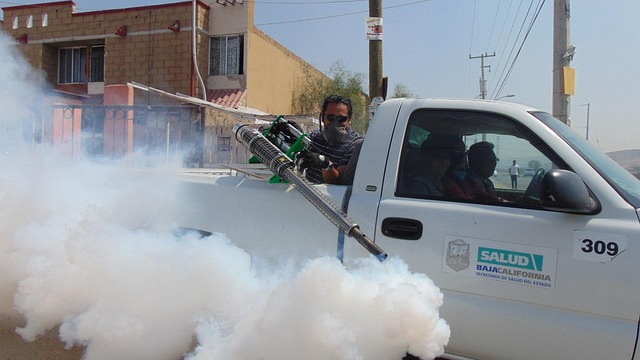
Control Methods: These include preventive measures like sealing entry points, proper waste management, and hygiene practices. Other methods involve chemical treatments (pesticides), mechanical traps, biological controls (introducing natural predators), and heat or cold treatment for specific pests.
Monitoring and Maintenance: Regular inspections and monitoring are vital to detect early signs of pest infestation. Maintaining a clean and sanitized environment is key to preventing pest re-infestation.
Historical Context: Commercial pest management has evolved significantly over the past century, driven by advancements in science, technology, and environmental awareness. In the early 20th century, chemical pesticides were the primary tool, often with limited consideration for human health or environmental impact. Today, the industry emphasizes integrated pest management (IPM), a holistic approach that integrates multiple control methods to minimize the use of harmful chemicals.
Commercial Pest Management Denver is not confined to local boundaries; it has global implications and contributes to international trade, travel, and cultural exchange. Here’s how:
International Travel and Trade: Pests can accompany goods and travelers across borders, leading to the introduction of invasive species. Effective pest management in commercial settings is essential for maintaining biosecurity and preventing economic losses associated with crop damage or disruptions in global supply chains.
Regional Differences: The specific pests encountered vary worldwide due to climatic conditions, ecological diversity, and cultural practices. For instance, Denver’s pest management strategies may differ from those in coastal cities like Seattle (US) or Tokyo (Japan), each facing unique challenges like termite infestations, rodents, or tropical insects.
Global Trends:
The economic impact of Commercial Pest Management Denver is multifaceted:
| Aspect | Description |
|---|---|
| Market Size | The global commercial pest management market was valued at USD 21.4 billion in 2020 and is projected to grow at a CAGR of 6.5% from 2021 to 2028 (Source: Grand View Research). In Denver, the local market caters to a diverse range of industries, contributing significantly to the city’s economy. |
| Investment Patterns | The industry attracts substantial investments in research and development for new products, services, and technologies. Local businesses also invest in professional pest management services to protect their assets and maintain operational efficiency. |
| Economic Benefits | Effective pest control enhances productivity by minimizing disruptions caused by infestations. It also reduces the risk of property damage, legal liabilities, and negative brand associations associated with pest-related issues. |
| Cost Implications | While initial investment costs for professional services can be high, long-term savings result from reduced damage, improved sanitation, and enhanced customer satisfaction. |
Technology plays a pivotal role in revolutionizing Commercial Pest Management Denver:
The regulatory landscape governing Commercial Pest Management Denver is designed to protect human health, the environment, and economic interests:
Despite its importance, Commercial Pest Management Denver faces several challenges:
Actionable Solutions:
The historic LoDo district faced a significant cockroach infestation that threatened its revival as a vibrant entertainment and retail hub. A local pest management company implemented an IPM strategy, focusing on sanitation, sealants, and targeted treatments. They also educated business owners about proper waste management and maintenance practices. As a result, the cockroach population declined, and LoDo experienced a surge in new businesses and increased foot traffic, becoming one of Denver’s most vibrant neighborhoods.
The airport implemented an integrated pest management system with a strong focus on environmental sustainability. This approach included using natural predators like bats and birds to control pests, implementing mechanical traps, and employing heat treatment for specific infestations. The airport also adopted a strict sanitation protocol, reducing water usage, and utilizing eco-friendly cleaning products. These measures not only minimized the airport’s environmental footprint but also contributed to a healthier and more pleasant travel experience for passengers.
The future of Commercial Pest Management Denver holds promising opportunities:
Commercial Pest Management Denver is a dynamic field that plays a critical role in maintaining healthy, safe, and productive urban environments. From historical evolutions to global trends and technological advancements, the industry has adapted to meet diverse challenges. Despite criticisms and ongoing hurdles, effective pest control practices are essential for the success of commercial spaces, contributing to economic prosperity, public health, and environmental sustainability.
By embracing innovation, adopting sustainable practices, and staying responsive to regulatory changes, Commercial Pest Management Denver can continue to flourish while addressing emerging issues. The future holds immense potential for this industry as it navigates uncharted territories, ensuring that businesses and communities thrive in pest-managed environments.
Q: How do I choose a reputable commercial pest management company?
A: Look for companies with proper licensing, insurance, and positive customer reviews. Check their expertise in handling specific pests and ask about their treatment methods and safety protocols. Reputable companies should provide detailed quotes, contracts, and after-service support.
Q: Are pesticides safe for the environment?
A: When used correctly and according to regulations, pesticides can be safe and effective. However, improper use or disposal can have environmental impacts. Modern pest management practices emphasize integrated pest management (IPM) and eco-friendly alternatives to minimize ecological harm.
Q: How often should I expect inspections for commercial pest control?
A: The frequency of inspections depends on the type of facility, local regulations, and the specific pests present. Typically, monthly or bimonthly inspections are common, but certain high-risk facilities may require more frequent visits. Regular monitoring is key to early pest detection and prevention.
Q: Can I handle pest control myself instead of hiring professionals?
A: While DIY methods can be tempting for minor pest issues, professional services offer several advantages. Experts have specialized knowledge, access to advanced tools and treatments, and the ability to address complex or severe infestations effectively. They also provide ongoing support and maintenance for long-term prevention.