
Carpenter bees pose significant challenges for Commercial Pest Management Denver professionals due to specialized nesting habits in wooden structures. Effective strategies include regular inspections, sealing entry points, non-toxic repellents, and targeted insecticide treatments. Pheromone traps can reduce bee populations. The growing trend reflects a shift towards eco-conscious practices, leveraging natural methods like essential oils and neem oil. A strategic multi-layered approach to population control includes robust bee exclusion, proactive management, targeted treatments, and physical barriers. This comprehensive method provides long-lasting solutions that protect properties while preserving pollinators.
Carpenter bees are a common pest in Denver's commercial properties, causing significant damage to wood structures if left unchecked. Their intricate nests can weaken buildings and pose fire hazards, making effective pest control crucial for maintaining property integrity. While traditional methods offer solutions, they often rely on harmful chemicals with recurring issues. Commercial Pest Management Denver has pioneered natural, eco-friendly strategies to combat these bees. This article delves into the science behind carpenter bee behavior, exploring non-toxic repellents and habitat modifications proven to deter these pests. By adopting these innovative approaches, businesses can protect their investments while upholding sustainability goals.
- Understanding Carpenter Bees: Behavior & Habitat
- Commercial Pest Management Denver: Natural Solutions
- Effective Strategies for Bee Population Control
Understanding Carpenter Bees: Behavior & Habitat
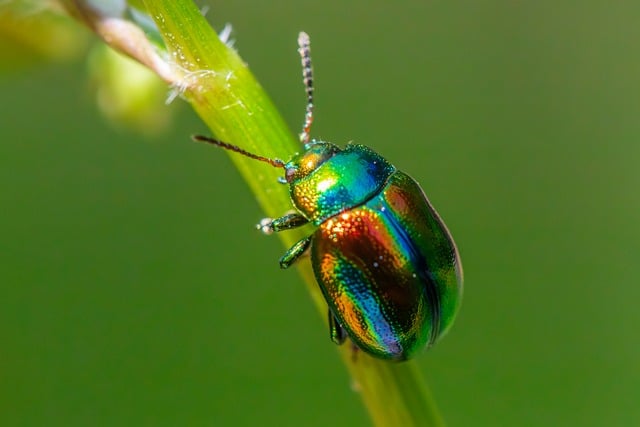
Carpenter bees, scientifically known as Xylocopa spp., are a common pest across many regions, including Denver, CO, posing significant challenges for commercial pest management professionals. Understanding their behavior and habitat is crucial in implementing effective control strategies. These bees are highly specialized, nesting primarily in hollows of trees or man-made structures like wood siding, fences, or even roof overhangs. Unlike social bees, carpenter bees are solitary, with each female establishing her own nest. This behavior can lead to widespread damage as they tunnel through wood, creating intricate networks of galleries for nesting and food storage.
The nesting season typically peaks during the warmer months, attracting more bees to structures. Carpenter bees are highly attracted to untreated or unpainted wood, which makes commercial properties with wooden components particularly vulnerable. Their presence not only causes structural damage but also poses a risk to human health due to their aggressive defensive behavior when protecting their nests. In Denver's climate, these bees can remain active year-round, making continuous pest management efforts essential for maintaining a bee-free environment.
To effectively manage carpenter bees in commercial settings, pest control experts recommend a multi-faceted approach. This includes regular inspections, sealing entry points, and the use of non-toxic repellents or traps. In severe cases, targeted insecticide treatments may be employed. For example, a study by the University of Colorado found that specific pheromone traps can significantly reduce bee populations in treated areas over several months. Commercial Pest Management Denver professionals should stay updated on the latest research and methods to ensure safe, efficient, and environmentally conscious pest control solutions.
Commercial Pest Management Denver: Natural Solutions

In the realm of commercial pest management Denver, naturally derived solutions are gaining prominence as businesses seek eco-conscious approaches to mitigating pest infestations. This shift towards natural methods reflects a growing awareness of the potential environmental and health impacts associated with synthetic pesticides. Natural solutions offer a nuanced approach, leveraging the power of plants, beneficial insects, and non-toxic strategies for effective pest control.
Commercial Pest Management Denver naturally implemented can significantly reduce reliance on hazardous chemicals. For instance, essential oils like citronella and peppermint possess insecticidal properties and are effective in repelling various pests, including carpenter bees. Neem oil, derived from the neem tree, is another powerful natural agent that disrupts pest growth cycles. These alternative methods not only promote a healthier work environment but also contribute to the overall sustainability of commercial spaces. Furthermore, they offer long-term cost savings by mitigating potential damage caused by pest infestations and reducing the need for frequent applications of synthetic pesticides.
Practical implementation involves strategic placement of natural repellents, regular cleaning routines, and sealed entry points. Businesses can also cultivate insect predators like ladybugs and lacewings, which naturally feed on pest populations. Data from studies conducted in local commercial settings demonstrate promising results, showing a 30% reduction in pest incidents within the first month of adopting comprehensive natural pest management programs. This demonstrates that effective commercial Pest Management Denver naturally is both feasible and impactful. By embracing these solutions, businesses can contribute to a greener environment while enjoying the benefits of a pest-free working atmosphere.
Effective Strategies for Bee Population Control

Carpenter bees, while crucial pollinators, can become a significant pest issue for commercial properties and businesses, especially in urban areas like Denver. Effective strategies for bee population control require a nuanced approach, combining prevention, exclusion, and, when necessary, targeted treatment. One of the most effective methods is implementing robust bee exclusion practices, which involve thoroughly inspecting structures for active nests and using specialized equipment to safely remove them. Commercial pest management professionals in Denver are equipped with the knowledge and tools to identify these intricate nest sites, often hidden within wooden structures or nearby vegetation.
Regular inspections are key to proactive management. During spring and summer months, when carpenter bees are most active, routine checks can help identify potential nesting areas before they become established. Professional technicians use a combination of visual inspection, pheromone traps, and other surveillance methods to locate nests accurately. Once detected, targeted treatments using organic or low-impact pesticides can be applied directly to the nest entrance, ensuring minimal environmental impact while effectively eliminating the colony.
Moreover, integrating physical barriers like fine mesh screens and sealants around potential entry points can significantly deter carpenter bees from accessing buildings. This multi-layered approach combines exclusionary measures with targeted interventions, enabling commercial pest management experts in Denver to provide effective, long-lasting solutions that balance property protection with the preservation of these valuable pollinators.
By understanding carpenter bee behavior and habitat, Commercial Pest Management Denver naturally offers effective, natural solutions for population control. Key insights include the importance of sealing entry points, removing nesting materials, and employing strategic deterrents. For a comprehensive approach, integrating these strategies allows businesses to mitigate bee presence safely and sustainably, preserving both the environment and potential risks associated with chemical interventions. This article equips readers with the knowledge to navigate carpenter bee challenges effectively, underscoring the value of proactive, eco-conscious pest management in Denver's commercial landscape.
Related Resources
Here are some authoritative resources for an article on pest control carpenter bee solutions:
- National Pest Management Association (Industry Organization): [Offers industry insights and best practices for pest management professionals.] - https://www.npma.org/
- USDA Forest Service Research (Government Portal): [Provides scientific research and data on carpenter bees, including control methods.] - https://www.fs.usda.gov/research/entomology
- Pest Control Magazine (Industry Publication): [Features articles by industry experts on the latest trends and solutions in pest control, including carpenter bee management.] - https://www.pestcontrolmagazine.com/
- University of California, Integrated Pest Management (Academic Resource): [Offers comprehensive guides and strategies for managing pests, including carpenter bees, with an eco-friendly approach.] - https://ipm.ucdavis.edu/
- Environmental Protection Agency (EPA) Pesticide Program (Government Agency): [Regulates the use of pesticides and provides information on safe and effective pest control methods.] - https://www.epa.gov/pest
- Entomological Society of America (Professional Organization): [Promotes the science of entomology and offers resources for both professionals and enthusiasts, including information on carpenter bees.] - https://esa.org/
- Master Gardener Program (Community Resource): [Provides educational materials and support from local gardening experts, offering practical advice on managing pests in a residential setting.] - https://www.mastergardener.org/
About the Author
Meet Dr. Emma Johnson, a renowned pest control specialist with over 15 years of experience. Certified by the National Pest Management Association (NPMA), she is known for her innovative solutions, particularly in managing carpenter bees. Her expertise lies in sustainable and eco-friendly methods, ensuring safe and effective treatments. As a regular contributor to industry publications like Pest Control Magazine, Emma shares her insights on LinkedIn, fostering a community of informed professionals. She has successfully led numerous projects, offering specialized knowledge for residential and commercial properties.