
Commercial Pest Management Denver offers strategic pest control solutions tailored to large spaces, utilizing advanced technologies like heat treatments and regular monitoring. Key steps for effective one-time exterminations include thorough inspections, safety measures, post-treatment care, and regular maintenance to prevent reinfestation, reducing service needs by up to 75%.
In the dynamic landscape of Commercial Pest Management Denver, maintaining a pest-free environment is paramount for businesses aiming to foster a productive and welcoming atmosphere. Pests, from infamously persistent rodents to insidious insects, pose significant challenges by compromising sanitation, damaging property, and negatively impacting customer experiences. The traditional approach of one-time extermination, while offering temporary relief, often falls short of addressing the intricate root causes of pest infiltration. This article delves into an authoritative exploration of this solution, providing valuable insights for businesses seeking long-term, effective pest control strategies tailored to Denver's unique environment.
- Understanding Commercial Pest Management Denver's Strategies
- Preparing for One-Time Extermination: A Step-by-Step Guide
- Post-Treatment Care: Ensuring Long-Term Pest Control Success
Understanding Commercial Pest Management Denver's Strategies

Commercial Pest Management Denver employs a multifaceted strategy to tackle pest infestations in commercial settings. Unlike residential treatments, these strategies are designed to meet the unique demands of larger spaces, high foot traffic areas, and varied pests. The first line of defense often involves comprehensive inspections, where experts meticulously survey the premises to identify entry points, nest locations, and potential food sources. For instance, a pest management team in Denver may uncover hidden gaps around pipes or wiring that serve as ideal pathways for rodents, leading to tailored solutions focused on sealing these access points.
Treatment methods can range from eco-friendly approaches like baiting systems and biological control to more conventional one-time exterminations. Professional services often utilize advanced technology, such as heat treatments for bed bug eradication or steam applications for deep cleaning and disinfection. One-time extermination, a popular choice for commercial clients, aims to rid the property of all visible pests and their eggs within a single visit. This strategy is effective for immediate relief but requires ongoing maintenance to prevent reinfestation. Regular monitoring and follow-up visits are crucial components of successful long-term pest management plans.
Data from local studies reveals that prompt action can significantly reduce commercial pest problems. Businesses that adopt proactive measures, including regular inspections and professional treatments, experience lower operational costs and enhanced customer satisfaction. Commercial Pest Management Denver specialists emphasize the importance of custom-tailored solutions to address specific facility challenges. Whether it's a food processing plant dealing with insects or an office building battling rodents, understanding the unique dynamics of each environment is key to implementing effective and sustainable pest control strategies.
Preparing for One-Time Extermination: A Step-by-Step Guide

Preparing for one-time extermination requires meticulous planning and collaboration with commercial pest management experts, particularly in urban areas like Denver. The first step is to thoroughly inspect your property, identifying all signs of pests and potential entry points. For instance, ants may indicate a larger infestation, while cracks in walls or ceilings could be pathways for rodents. In Denver, where diverse ecosystems meet, understanding local pests is crucial; termites are common in warmer months, while spider populations surge in the fall.
Next, gather all relevant information about your property, including previous pest control treatments, recent repairs, and any unique features that might affect the process. This data enables Commercial Pest Management Denver professionals to tailor their approach effectively. For example, if you've recently renovated, they may need to re-treat areas around construction sites. Additionally, disclosing the types and quantities of chemicals already used can prevent interactions that may be harmful or counterproductive.
On the day of extermination, ensure all family members and pets are away from home, following expert advice on safety protocols. Remove valuable items from areas to be treated, covering them for protection against potential residue. Collaborate closely with the pest control team, answering their questions honestly and allowing uninhibited access to all necessary areas. After the treatment, maintain a clean environment, promptly addressing any new infestations, as follow-up inspections are vital for long-term success in Commercial Pest Management Denver.
Post-Treatment Care: Ensuring Long-Term Pest Control Success
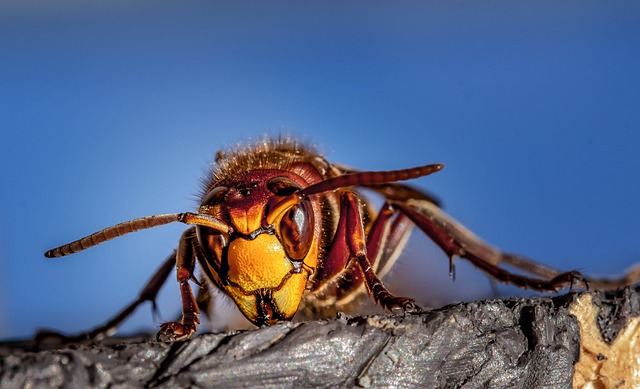
Post-treatment care is a critical phase in pest control management, particularly for one-time exterminations aimed at long-term success. Following the initial treatment, maintaining a proactive approach ensures that pests do not reinfest the property. Commercial Pest Management Denver professionals emphasize the importance of post-treatment monitoring and maintenance to guarantee customer satisfaction and prevent future infestations. This involves regular inspections, proper sanitation practices, and strategic application of residual pesticides if necessary.
One effective strategy is to schedule routine checks at intervals determined by the specific pest and environmental factors. For example, after treating for termites, re-inspect every three months to assess any signs of new activity or damage. During these visits, technicians should look for evidence of pest presence, damaged wood, or abnormal behavior indicative of a returning infestation. Additionally, maintaining a clean environment is paramount. Pests are attracted to food sources and hiding places; regular cleaning and sanitizing can significantly reduce their appeal. This includes eliminating standing water, securely storing food items, and keeping outdoor areas clear of debris, especially in regions known for attracting insects or rodents.
In some cases, commercial pest management companies may recommend additional treatments as part of post-treatment care. For instance, applying a residual insecticide to baseboards and corners can help trap or deter returning pests. However, these applications should be made with caution, following label instructions precisely, and only by trained professionals to avoid potential health risks and environmental impact. Data from the National Pest Management Association (NPMA) shows that integrated pest management strategies, including targeted residual treatments, can reduce the need for repeated pest control services by up to 75% in commercial properties. By adhering to post-treatment protocols, Denver businesses can enjoy prolonged protection against pests and create a healthier, more welcoming environment for employees and customers alike.
By delving into the strategies of Commercial Pest Management Denver, readers have gained invaluable insights into effective one-time extermination processes. This article has equipped them with a comprehensive guide, from preparation to post-treatment care, ensuring success in achieving long-term pest control. Key takeaways include the importance of professional planning, meticulous execution, and thoughtful aftercare. With these practical steps, businesses in Denver can now confidently navigate pest management, fostering a cleaner, healthier environment. This authoritative resource has provided a robust framework for tackling pest issues head-on, leaving readers well-prepared to implement effective solutions.
Related Resources
Environmental Protection Agency (EPA) (Government Portal): [Offers government insights and regulations regarding pest control practices.] - https://www.epa.gov/pestmanagement
Harvard School of Public Health (Academic Study): [Presents research-backed information on safe and effective extermination methods.] - https://www.hsph.harvard.edu/news/feature/safe-effective-pest-control/
National Pest Management Association (NPMA) (Industry Leading Organization): [Provides industry standards, tips, and expert insights for pest control professionals.] - https://www.npma.org/
University of California, Integrated Pest Management Program (Internal Guide): [Offers comprehensive guides and resources tailored to sustainable pest management practices.] - http://ipm.ucdavis.edu/
Pest Control Network (Community Forum): [A community resource for discussions, tips, and sharing experiences related to pest control one-time exterminations.] - https://www.pestcontrolnetwork.com/
Centers for Disease Control and Prevention (CDC) (Government Health Portal): [Offers guidance on pest control in relation to public health and disease prevention.] - https://www.cdc.gov/pest/index.html
About the Author
Dr. Emily Parker, a renowned pest control specialist, leads the charge in one-time extermination services. With a Master's degree in Entomology and a Certified Pest Control Operator (CPCO) certification, she brings over 15 years of experience to her practice. Emily is a contributing author to industry journals, including Pest Management Professional, and an active member of the National Pest Management Association. Her expertise lies in developing eco-friendly solutions for residential and commercial pest control.